


29 May Research results Why Do You Say Love When You Mean War? 2.0 presented in Novi Sad
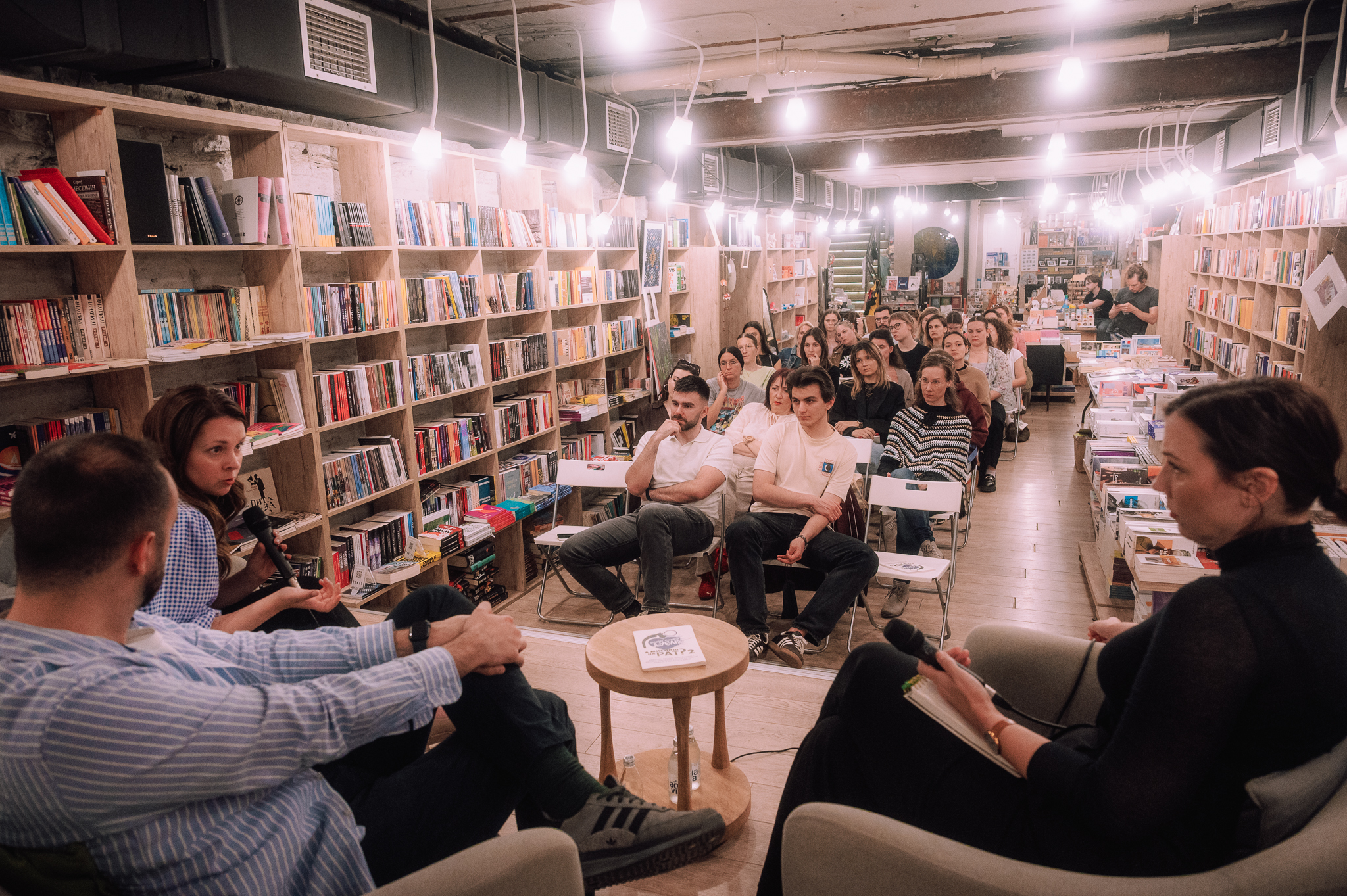
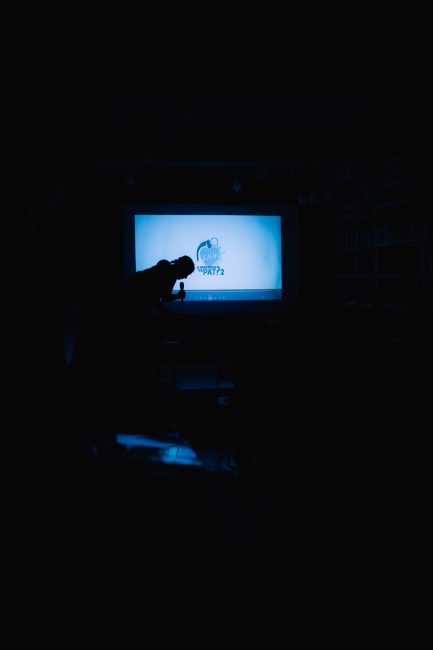
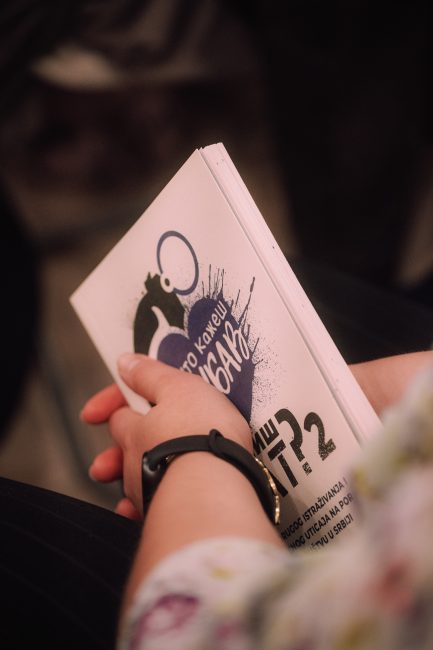
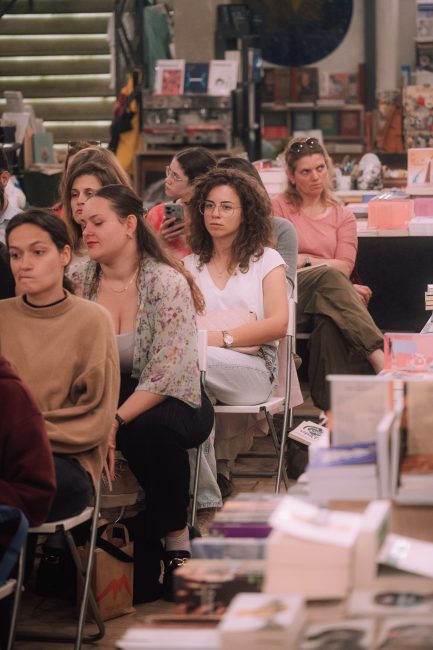
On Wednesday, May 20, at the Zenit bookstore (Njegoševa 24) in Novi Sad, the presentation of the results of the second edition of the research on undue influences behind the rise of violence in Serbian society, their connection to events from the 1990s wars, and the systemic failure to confront them, titled Why Do You Say Love When You Mean War? 2.0, was held.
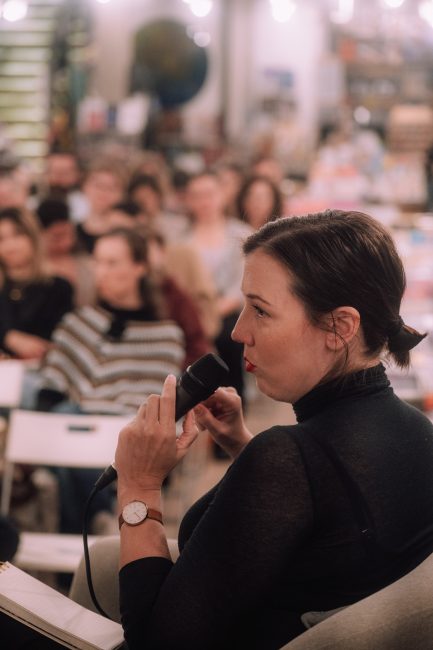
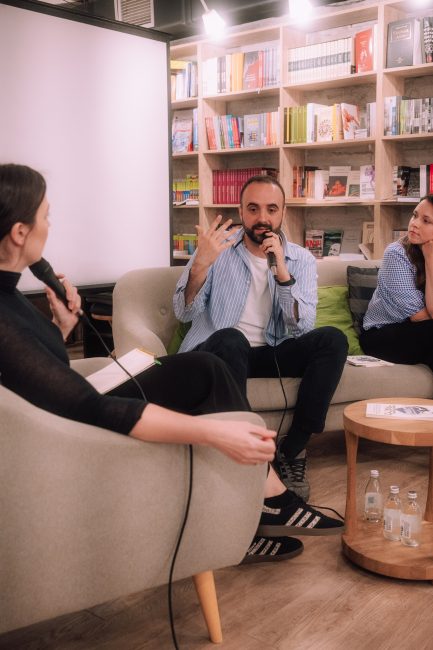
The research and its findings were discussed in a panel by Roberto Grujičić, child psychiatrist at the Institute of Mental Health, co-author of the “Two and a Half Psychiatrists” (Dva i po Psihijatra) podcast and a trainee in family systemic therapy; Dolores Milošev, journalist and author of the popular podcast “Healthy Story with Dolores” (Zdrava priča sa Dolores); and Katarina Grković, cultural scholar. The conversation was moderated by Milena Berić, communications specialist and co-author of the research.
The discussion focused on young people and their position within a pervasive culture of violence. Roberto emphasized that there is a subset of young people who, despite the culture of violence, have not normalized violent behavior and still feel discomfort when witnessing it—an intuitive resistance to such practices. This gap between normalized violence and young people who recognize violence as a negative phenomenon represents a space in which it is possible to work toward building a different social atmosphere.
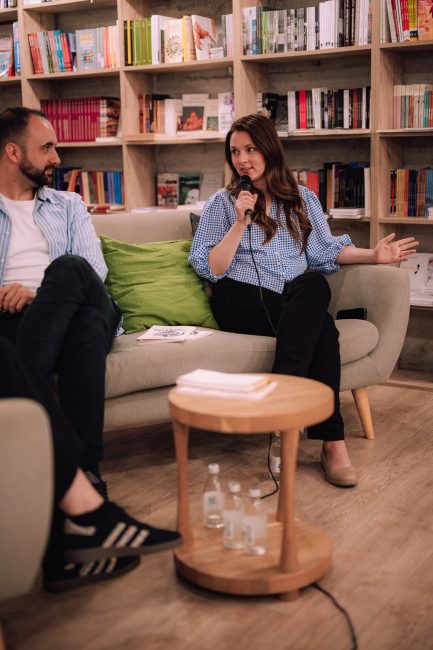
Dolores drew attention to public reactions to the draft amendments to the Family Law, which emphasize a non-violent approach to child-rearing. The heated public responses indicate how widespread, accepted, and encouraged violence as an upbringing method is in Serbian society.
In the concluding discussion, participants compared the results of this research with those of the original 2023 study. The comparison clarifies the role of transgenerational transmission of violent behavior and ideas, largely shaped by the traumatic experiences of the 1990s wars.
The full Why Do You Say Love When You Mean War? 2.0 research can be downloaded at this link, as well as from KROKODIL’s Center.
This public event was realized with financial support from the European Union. The views expressed in the research and at this public event are the sole responsibility of the authors—Association KROKODIL—and do not necessarily reflect the views of the European Union.



Sorry, the comment form is closed at this time.