


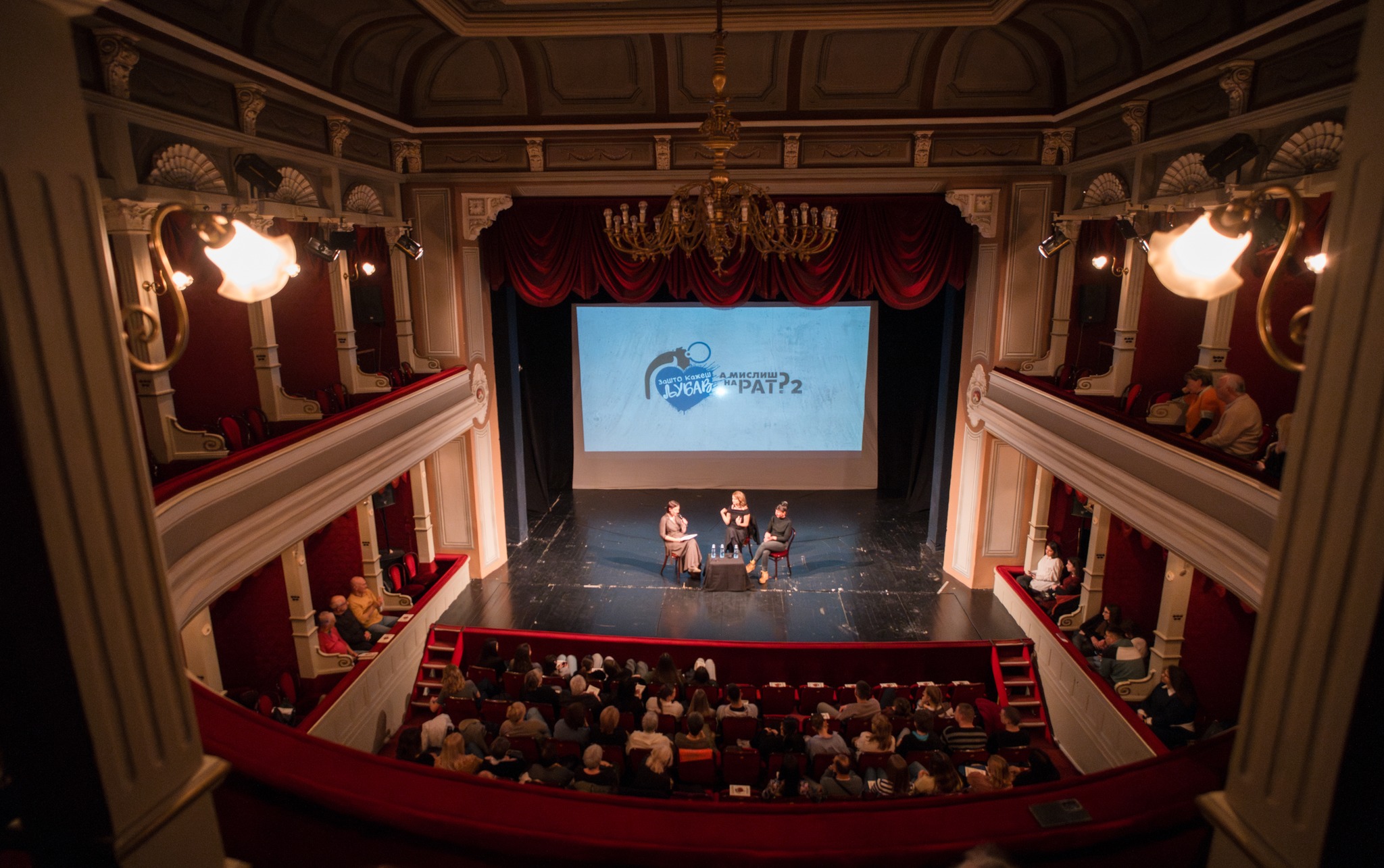
03 Mar DISCUSSION HELD IN SOMBOR ON PRELIMINARY RESEARCH FINDINGS – WHY DO YOU SAY LOVE WHEN YOU MEAN WAR? 2.0
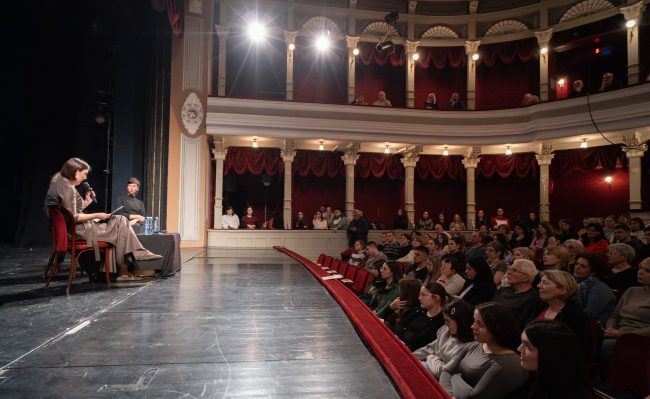
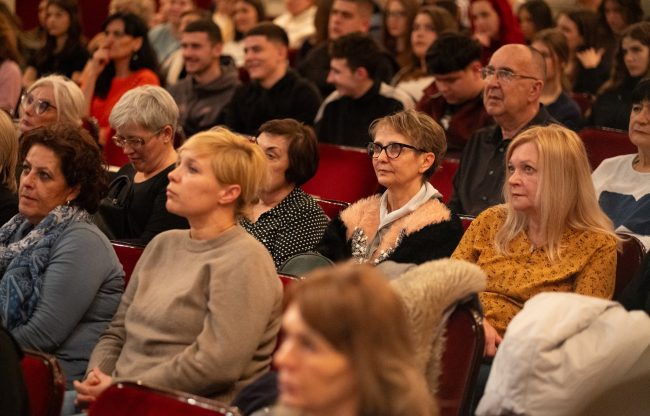
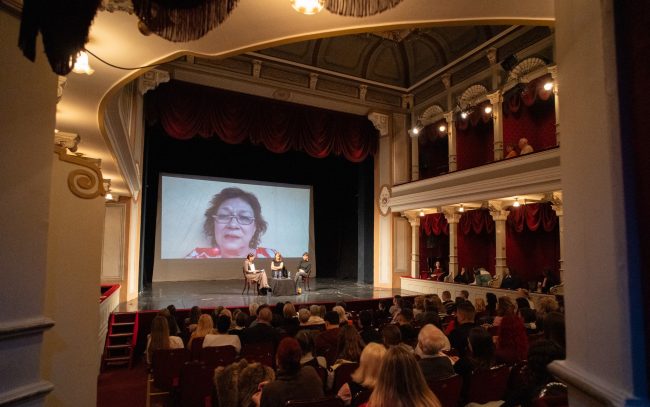
On Tuesday, February 24th, at the National Theatre in Sombor, a discussion was held before an audience of approximately 150 people—primarily young people—regarding the preliminary findings of the second edition of research into hidden influences on the rise of violence in society, titled Why Do You Say Love When You Mean War? 2.0. The event was organized in the form of a panel discussion featuring research associates Ana Mirković, a psychologist, and Lara Končar, an anthropologist, while the conversation was moderated by the research author, Milena Berić. In addition to them, the audience was addressed via video recording by Srđan Hercigonja, the research author, as well as associates historian Dubravka Stojanović and psychotherapist Roberto Grujičić.
At the beginning, Milena Berić briefly presented the key themes of the research and outlined findings regarding the perception of violence among youth. In her introduction, she emphasized the connection between contemporary patterns of violence in society today and the legacy of the wars of the 1990s, as well as the failure to confront the past.
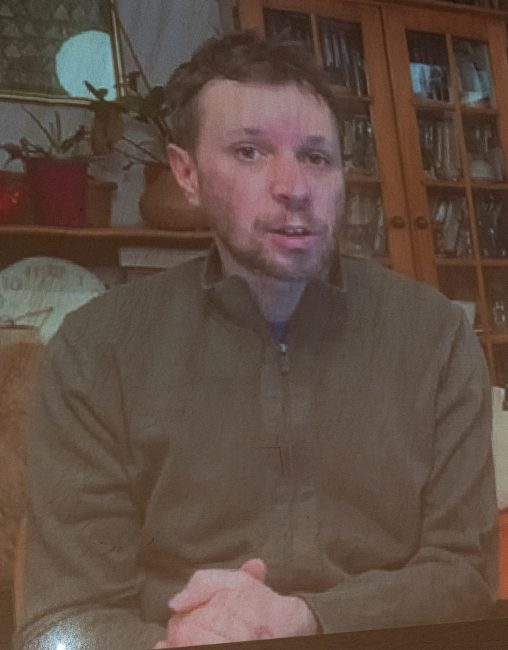
Before the discussion itself, one of the research authors, Srđan Hercigonja, addressed the attendees via video message, pointing out some of the key findings regarding hate speech: Respondents identified social networks as the main source of hate speech, while the answer “Everywhere” came in second (35.4% of responses), which speaks volumes about the omnipresence of hate speech in public spaces. Slightly more than 10% of respondents stated that they notice hate speech most on walls in public spaces (graffiti and murals). A large percentage of citizens identified the media as the main and most dangerous sources of hate speech (as much as 68.4%), followed by social networks and the street as a public space.
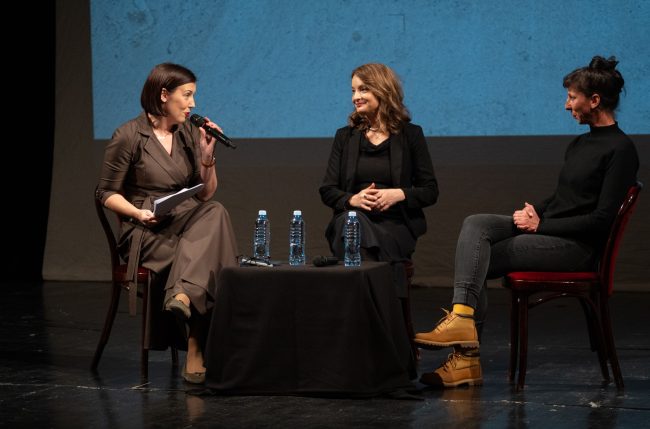
The dynamics of the conversation continued in this format, with the speakers commenting on topics raised in the video messages while also introducing their own perspectives. During the evening, the attendees also heard video messages from Dubravka Stojanović and Roberto Grujičić.
The discussion among the participants, and later the audience, demonstrated the complexity of the phenomenon of the culture of violence today, its connection to the legacy of the nineties, and showed that this is also reflected in the interdisciplinary nature of the research itself.
Ana Mirković specifically pointed to the existence of collective trauma in Serbian society, arising from the neglect of confronting the past. These traumas are passed down to younger generations, who, despite this, Ana emphasizes, show examples of empathetic behavior and solidarity. Milena added examples of the beginnings of peace activism practices in the nineties and the pacifist foundations of this movement.
Lara Končar pointed out the gendered nature of the phenomenon of violence, which in this sense is closely linked to oppressive gender roles and nationalism, which generate violent relationships. Additionally, she spoke about the structural problem of creating social identity based on the exclusion of the “Other” and emphasized that identities are active, living, and changeable forms quite natural to the human species.
Based on the preliminary research findings, the authors conclude that in Serbia, there is a direct and invisible influence of the state and media on maintaining a specific and widespread “culture of violence.” Aggressive narratives, the glorification of crimes, and the absence of a systemic strategy to combat violence contribute to the rise of various forms of violence, including femicide.
The research was created within the framework of the project Why Do You Say Love When You Mean War? 2.0, implemented by the KROKODIL Association with the financial support of the European Union. The views expressed are the sole responsibility of the authors and do not necessarily reflect the views of the European Union.

Sorry, the comment form is closed at this time.