


24 Mar NOT A FAIRYTALE, BUT… COMES TO SARAJEVO.
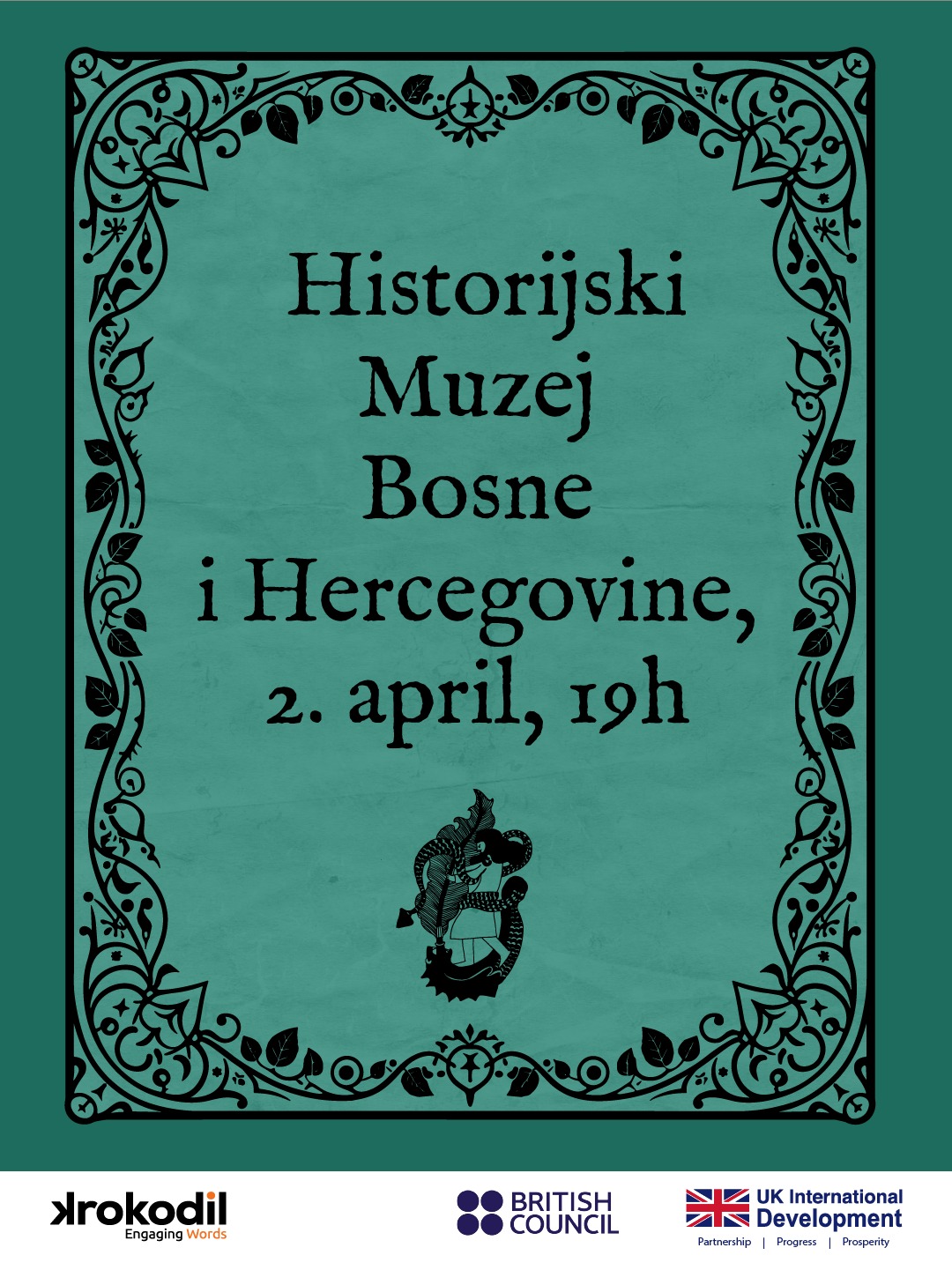
We invite you to join us on April 2nd at 7 PM at the Historical Museum of Bosnia and Herzegovina (Zmaja od Bosne 5) in Sarajevo for the second regional event. Here, through stories in the form of text, readings, discussions, and a multimedia exhibition, across five monthly chapters, we will narrate Not a Fairytale, But…
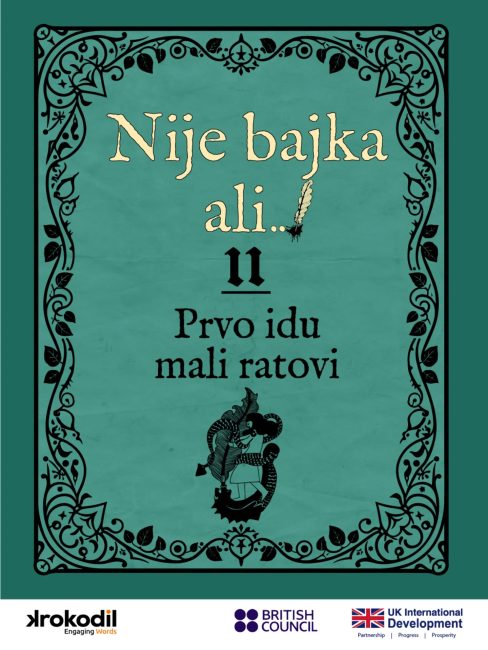
“Are Plitvice, Borovo Selo, Knin, Kijevo… an introduction to war? It starts with small wars, then comes one big one, or several big ones! And who decides? Milošević registered Šešelj’s party. Šešelj hurried to send ‘his boys’ to Croatia and Kosovo.” asks Biljana Jovanović in a letter to Maruša Krese from Pristina, on June 3, 1991. It is precisely Biljana Jovanović’s heroic peace engagement that the stories of the second chapter explore, forming the core of the discussion in Sarajevo.
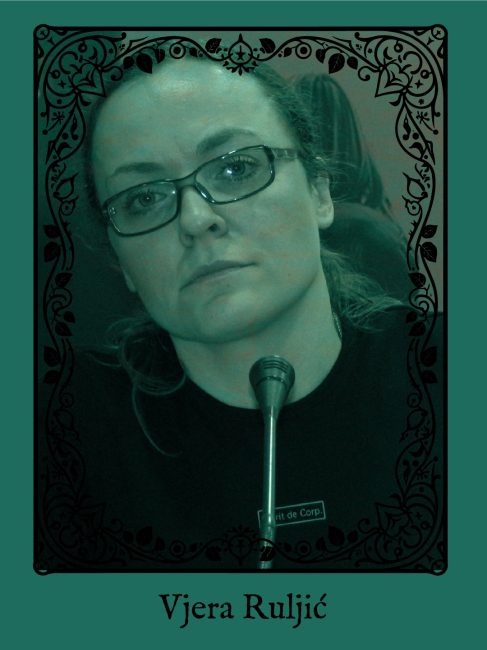
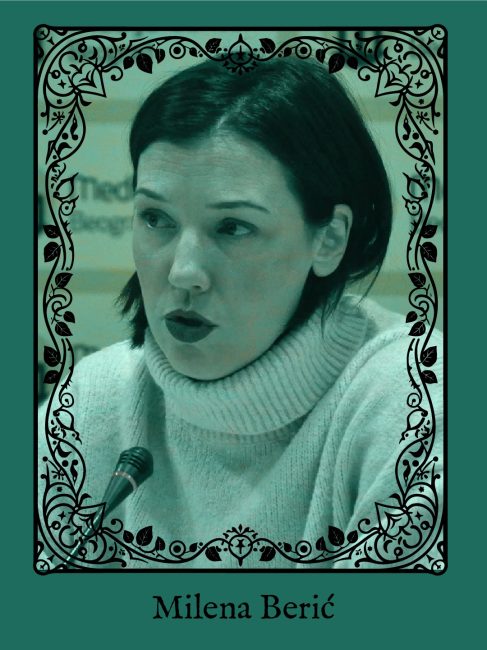
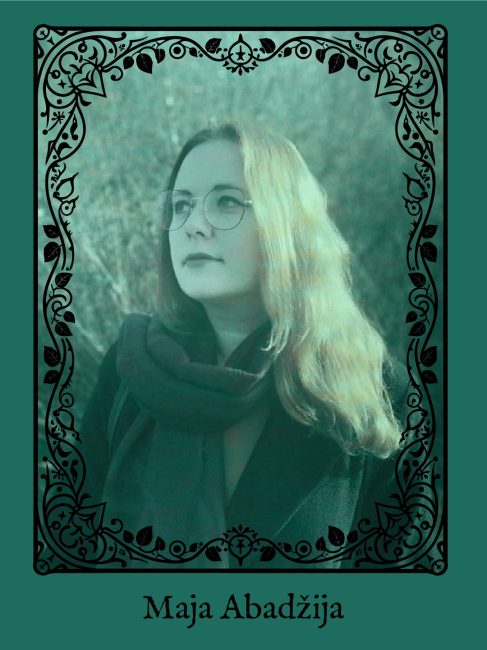
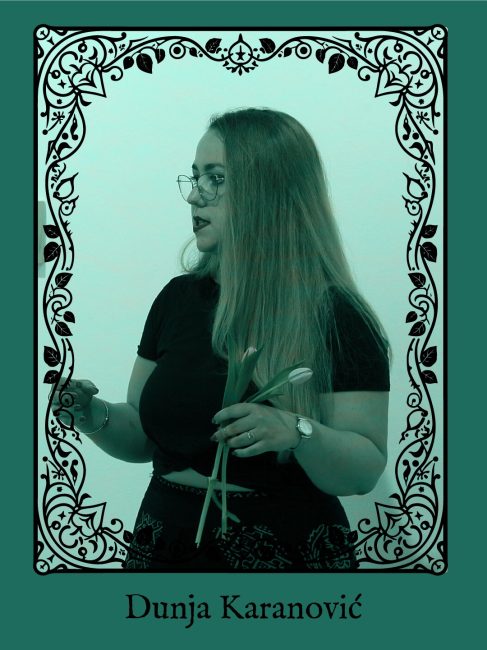
The discussion will feature contributors to the second chapter, titled Not a Fairytale, But… It Starts with Small Wars : Vjera Ruljić, journalist and expert on the legacy of the 1990s wars; Maja Abadžija, literary critic for the “Rebellious Readers” collective and lecturer at the United World College in Mostar; as well as Dunja Karanović, author of the stories in the second chapter. The discussion will be moderated by Milena Berić, editor of the second chapter.
In addition to the discussion, guests are invited to explore a conceptual installation of Lepa Mlađenović’s manifesto, The Politics of Women’s Solidarity, and engage with the audio and written stories published in the first two chapters of Not a Fairytale, But…
About Not a Fairy Tale But…
Through five monthly chapters, in various formats—audio, video, text—we bring true stories about the real heroines of the nineties: activists, peacemakers, feminists, and fighters who opposed war, nationalism, and political repression during the breakup of Yugoslavia. These are women who refused to be enemies to one another, regardless of which side they found themselves on, because they understood that sisterhood knows no nation and that love and care for others are the only cure for hatred.
Our intention is to map and analyze the legacy of the women’s peace movement of the nineties, in which the struggle was not fought with a rifle in hand but on the streets, in cultural institutions, on SOS hotlines, and in shelters. Peace activism was a sure path to being accused of “betraying the nation,” but also the direct successor to the women’s anti-fascist struggle.
The focus is on stories of resistance and persecution: from Mira Furlan and the “Witches of Rio” to Vesna Teršelič and Nataša Kandić; from the murdered Suada Dilberović and Olga Sučić to the brave actions of Borka Pavičević, CZKD (Center for Cultural Decontamination), the Center for Anti-War Action, Women in Black, the Spiritual Republic of Zicer, Biljana Jovanović, Lepa Mlađenović, Igballa Rogova, and other important protagonists whose biographies represent the nodal points of this important legacy.
Through storytelling, we explore how today’s young activists and students adopt and reshape these practices in the fight against contemporary political repression: which tactics, symbols, and ethics of resistance they choose; how they connect a feminist approach to peace with labor, social, and other civil rights; and how they preserve memory and insist on justice today in Belgrade, Zagreb, and Sarajevo.
This project is funded by the UK International Development Programme and is implemented in partnership with the British Council.
Sorry, the comment form is closed at this time.